

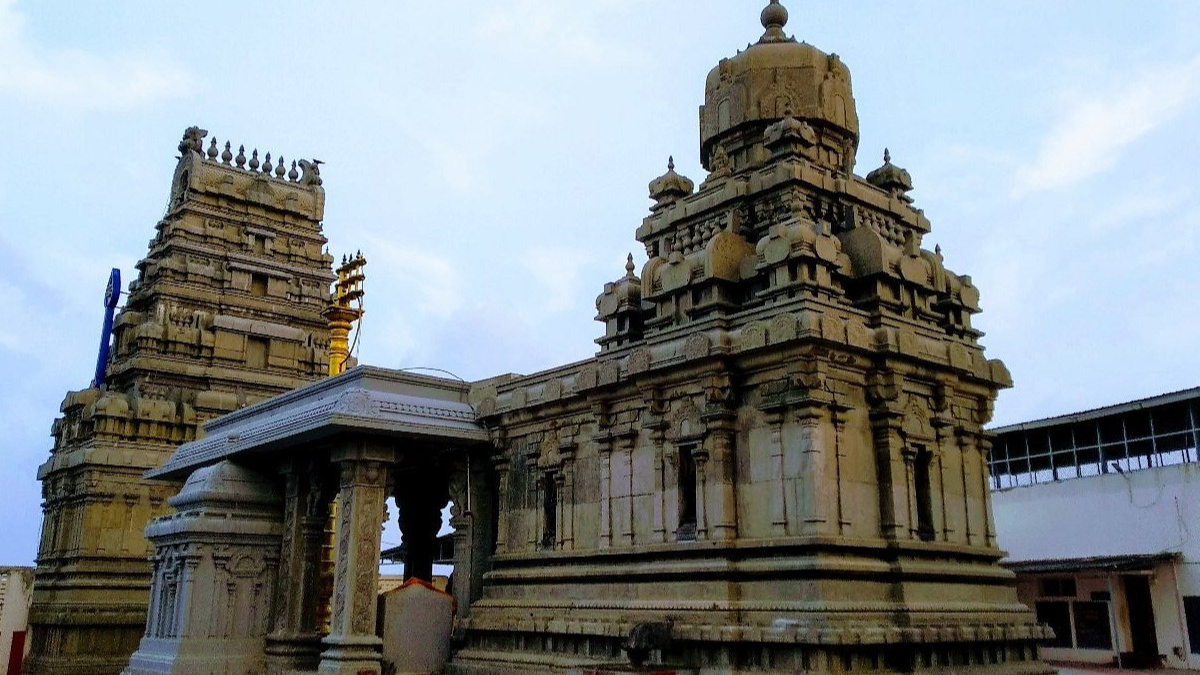
Explore Arupadai Veedu Murugan Temple, the six sacred abodes of Lord Murugan in Tamil Nadu, with history, legends, locations, festivals, and travel tips.
India is known for its ancient temples, rich traditions, and spiritual heritage, and among the most respected pilgrimage destinations in Tamil Nadu are the six sacred abodes dedicated to Lord Murugan. These holy shrines are collectively known as Arupadai Veedu Murugan Temple, representing six important places where devotees believe Lord Murugan displayed his divine powers and blessings.
The journey through these temples is not just a religious experience but also a cultural exploration filled with history, architecture, festivals, and deep-rooted Tamil traditions. Every shrine has a unique story connected with Lord Murugan’s life, making this pilgrimage special for millions of devotees across the world.
For those planning a spiritual trip, understanding the significance, location, history, and special features of these temples can help create a meaningful travel experience. This detailed guide covers everything you need to know about the sacred six abodes of Lord Murugan.
The Meaning and Importance of Arupadai Veedu Murugan Temple
The term “Arupadai Veedu” comes from Tamil words where “Aru” means six, “Padai” refers to a divine army or sacred place, and “Veedu” means residence or abode. Together, it describes the six holy places associated with Lord Murugan, the powerful deity known as the God of War, Wisdom, Courage, and Youth.
These temples hold a special position in Tamil culture because they are mentioned in ancient Tamil literature, especially in the famous work called Thirumurugatrupadai written by the poet Nakkeerar. The text describes the greatness of Lord Murugan and his sacred locations.
The six abodes are not only religious centers but also symbols of devotion, bravery, and spiritual growth. Many devotees believe that visiting these temples helps remove obstacles, bring peace of mind, and strengthen faith.
“The sacred journey of Lord Murugan’s six abodes represents devotion, courage, and the eternal connection between humanity and spirituality.”
The popularity of these temples extends beyond Tamil Nadu, attracting pilgrims from different parts of India and other countries. Each temple offers a different spiritual atmosphere, making the complete pilgrimage a memorable experience.
The Six Sacred Abodes of Lord Murugan
The six holy temples dedicated to Lord Murugan are located in different parts of Tamil Nadu. Each shrine has its own history, legend, and importance. Together, they form one of the most significant pilgrimage circuits in South India.
| Temple Name | Location | Main Significance |
| Thiruparankundram Murugan Temple | Madurai | Divine marriage place of Lord Murugan and Deivayanai |
| Tiruchendur Murugan Temple | Thoothukudi | Victory place after defeating demon Surapadman |
| Palani Murugan Temple | Dindigul | Famous for Lord Murugan as Dhandayuthapani |
| Swamimalai Murugan Temple | Thanjavur | Place where Murugan explained the meaning of Om to Lord Shiva |
| Thiruthani Murugan Temple | Tiruvallur | Represents peace and victory after battles |
| Pazhamudircholai Murugan Temple | Madurai | Forest shrine associated with knowledge and blessings |
These six destinations provide a combination of spiritual importance, ancient architecture, natural beauty, and traditional rituals. Many devotees complete a pilgrimage covering all these locations, especially during festivals dedicated to Lord Murugan.
Thiruparankundram Murugan Temple: The First Sacred Abode
Located near Madurai, Thiruparankundram is considered the first among the six abodes. This ancient rock-cut temple has great historical importance and is believed to be the place where Lord Murugan married Deivayanai, the daughter of Lord Indra.
The temple architecture reflects the beauty of ancient South Indian craftsmanship. Carved sculptures, impressive halls, and traditional designs attract both devotees and history lovers.
The spiritual atmosphere of this shrine is especially powerful during festivals such as Skanda Sashti and Panguni Uthiram. Thousands of devotees visit the temple to participate in special prayers and celebrations.
The location of the temple near the Thiruparankundram hills adds to its natural charm. Visitors often enjoy the peaceful surroundings while experiencing the religious importance of this sacred place.
Tiruchendur Murugan Temple: The Coastal Divine Shrine
Situated along the Bay of Bengal coastline in Thoothukudi district, Tiruchendur is the only coastal temple among the six sacred abodes. It is believed to be the place where Lord Murugan defeated the demon Surapadman and restored peace.
The temple’s seaside location creates a unique spiritual environment. The sound of ocean waves combined with traditional temple rituals gives visitors a peaceful and unforgettable experience.
One of the most important celebrations here is Skanda Sashti, which recreates the legendary battle between Lord Murugan and Surapadman. Devotees gather in large numbers to witness the dramatic religious ceremonies.
The ancient structure, towering entrance, and beautiful surroundings make Tiruchendur a must-visit destination for anyone exploring Murugan temples in Tamil Nadu.
Palani Murugan Temple: The Temple of Wisdom and Devotion
Palani Murugan Temple is one of the most famous pilgrimage centers among devotees. Located on Palani Hills in Dindigul district, the temple is dedicated to Lord Murugan in the form of Dhandayuthapani Swamy.
According to legend, Lord Murugan chose Palani as his residence after a disagreement regarding a divine fruit of knowledge. The famous saying “Pazham Nee” means “You are the fruit,” symbolizing wisdom and spiritual understanding.
The temple attracts millions of visitors every year. Devotees often climb the hill steps or use modern facilities like ropeways and winches to reach the shrine.
The sacred idol of Lord Murugan is believed to be made using a special mixture of medicinal ingredients called Navapashanam. This belief adds to the uniqueness and spiritual importance of the temple.
Swamimalai Murugan Temple: The Teacher of Lord Shiva
Swamimalai, located near Kumbakonam, is another important shrine among the six abodes. This temple represents Lord Murugan as a spiritual teacher who explained the meaning of the sacred sound “Om” to his father, Lord Shiva.
The temple stands on an artificial hill and visitors need to climb several steps to reach the main shrine. The journey itself is considered symbolic, representing spiritual progress and learning.
Swamimalai is especially respected among devotees seeking knowledge, wisdom, and success in education. The temple’s connection with divine knowledge makes it different from other Murugan shrines.
The traditional rituals and peaceful environment make this place a meaningful destination for families and spiritual seekers.
Thiruthani Murugan Temple: The Symbol of Peace
Located on a hill near Chennai, Thiruthani Murugan Temple represents peace and happiness after Lord Murugan’s victory over negative forces. It is believed that Lord Murugan came here to relax after completing his battles.
The temple has around 365 steps, representing the days of the year. Many devotees climb these steps as an act of faith and devotion.
The temple celebrates several festivals throughout the year, with special importance given to Skanda Sashti and other Murugan-related events.
Due to its location near Chennai, Thiruthani attracts both local visitors and tourists looking for a spiritual escape from busy city life.
Pazhamudircholai Murugan Temple: The Forest Abode
Pazhamudircholai is located on the beautiful hills near Madurai and is surrounded by forests and natural scenery. It is considered the sixth sacred abode of Lord Murugan.
Unlike many large temple complexes, this shrine provides a peaceful atmosphere surrounded by greenery. The natural beauty of the location makes it a unique spiritual destination.
According to legends, Lord Murugan blessed the famous Tamil poet Avvaiyar at this place. The story highlights the importance of wisdom, humility, and devotion.
Visitors often combine their trip to Pazhamudircholai with a visit to nearby natural attractions, making it a perfect blend of spirituality and nature.
Best Time to Visit the Six Sacred Murugan Temples
The ideal time to visit these temples depends on personal preferences, but many pilgrims prefer festival seasons because of the vibrant celebrations and special rituals.
| Season | Experience |
| October to March | Comfortable weather for travel and temple visits |
| Skanda Sashti Festival | Grand celebrations and special prayers |
| Thai Poosam | Major Murugan festival with large gatherings |
| Panguni Uthiram | Important celebration connected with divine marriages |
Travelers should plan accommodation and transportation early during festival periods because these temples receive a large number of visitors.
Travel Tips for Visiting Arupadai Veedu Murugan Temple
Planning a pilgrimage to all six temples requires proper preparation. Since the temples are spread across different districts of Tamil Nadu, organizing transportation and accommodation can make the journey easier.
Visitors should respect temple traditions, follow dress guidelines, and check opening hours before visiting. Carrying water, comfortable footwear, and essential travel items is recommended, especially when climbing hill temples.
Local food, traditional markets, and nearby attractions also make the journey more enjoyable. Exploring the surrounding areas allows travelers to understand Tamil culture beyond the temple experience.
Spiritual and Cultural Significance of the Six Abodes
The importance of these temples goes beyond religion. They represent Tamil heritage, ancient literature, traditional architecture, and cultural identity.
For generations, devotees have considered this pilgrimage a way to connect with Lord Murugan and experience inner peace. The stories associated with each temple teach values such as courage, knowledge, devotion, and humility.
Many families continue the tradition of visiting these sacred places as a spiritual journey passed from one generation to another.
Conclusion About Arupadai Veedu Murugan Temple
The six sacred abodes of Lord Murugan represent some of the most valuable spiritual treasures of Tamil Nadu. From the coastal beauty of Tiruchendur to the peaceful hills of Pazhamudircholai, each shrine offers a unique experience filled with history, devotion, and cultural richness.
A visit to Arupadai Veedu Murugan Temple is not only about religious worship but also about discovering ancient traditions, inspiring legends, and the timeless connection between people and spirituality.
Whether you are a devotee, history enthusiast, or traveler interested in South Indian heritage, exploring these six temples can become a deeply memorable journey.
Frequently Asked Questions About Arupadai Veedu Murugan Temple
What is Arupadai Veedu Murugan Temple?
Arupadai Veedu Murugan Temple refers to the six sacred abodes of Lord Murugan located across Tamil Nadu. These temples are Thiruparankundram, Tiruchendur, Palani, Swamimalai, Thiruthani, and Pazhamudircholai. Each shrine has a unique legend and spiritual importance connected with Lord Murugan.
Why are the six abodes of Lord Murugan famous?
The six abodes are famous because they represent important events from Lord Murugan’s life and are deeply connected with Tamil religious traditions. Millions of devotees visit these temples every year to seek blessings and experience their spiritual atmosphere.
How many days are required to visit all six Murugan temples?
The time required depends on travel plans, but many pilgrims complete the journey within five to seven days. A well-planned route can make visiting all six sacred locations more comfortable.
Which is the most famous temple among Arupadai Veedu Murugan Temple locations?
Palani Murugan Temple is often considered one of the most famous because of its large number of visitors and strong devotional significance. However, each of the six abodes has its own unique importance.
What is the best festival to visit these temples?
Skanda Sashti and Thai Poosam are among the most important festivals celebrated in Murugan temples. During these occasions, devotees can experience grand rituals, cultural programs, and special ceremonies.
Can children and elderly people visit all six Murugan temples?
Yes, families with children and elderly members can visit these temples with proper planning. Some hill temples provide facilities like ropeways and transport services to make the journey easier.
